Friday, April 20, 2007
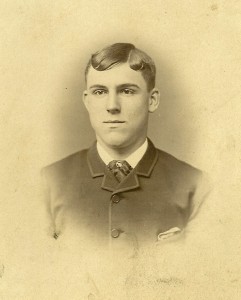
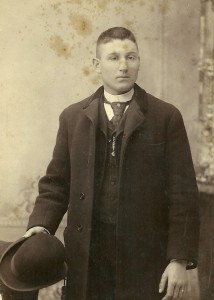
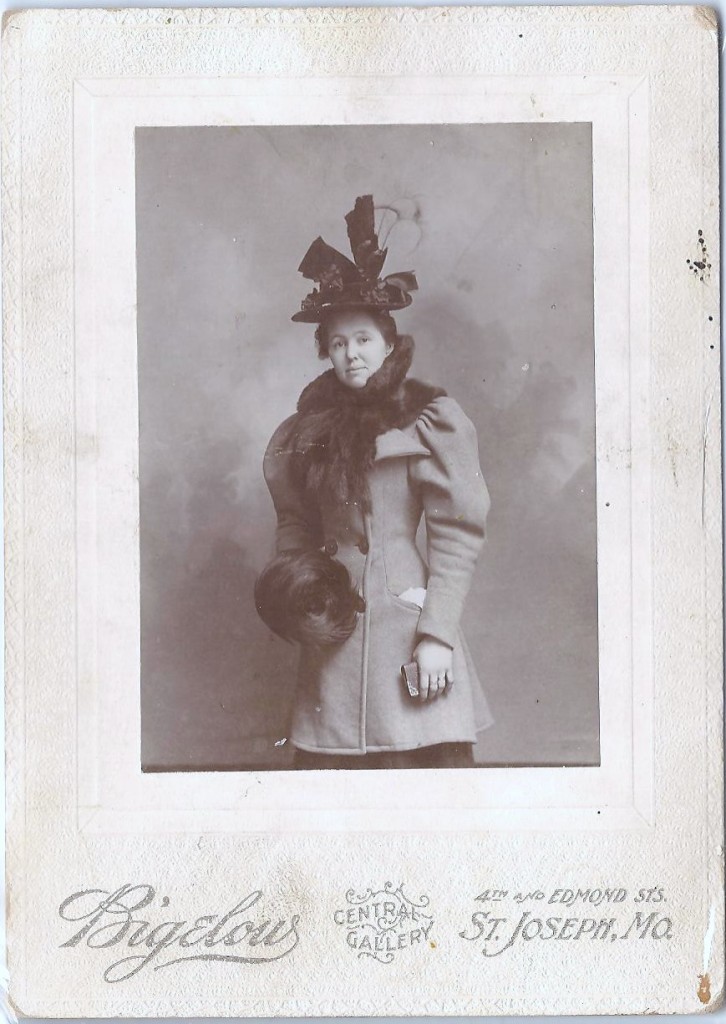
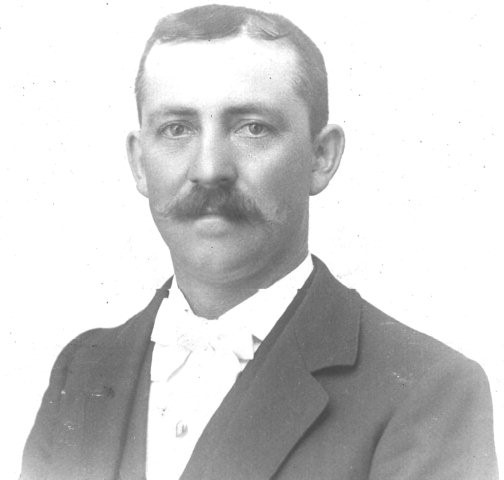
Crayon portraits were popular between 1880 to 1910. You may know them as a domed large photograph in an oval frame with domed glass. The subject, if you have one, would be of your mother or father as a young child or perhaps your grandparents. The effect of a near life size portrait gives a surreal 3D appearance being domed. Most often they were black and white with a charcoaled surface.
It’s amazing how an artist/technician, as the photographer was, will take a technological shortcoming and allow it to be the basis of innovation and art. Such was the case with the crayon portrait photograph. In this photographic style, the inability to greatly enlarge an image caused the print to be pale and not very contrasting. So, our innovative photographer enhanced the early crayon portraits with charcoal crayons and the result was an artist representation on a washed out print! But, it was a thing of beauty and extremely popular.
Early on this inability of contrasted enlargement gave artists opportunities to express their talent. Later in the period of crayon portraits, when contrasted enlargements were technically possible the artists weren’t sent home packing, they had a slightly different task. For one, they added color crayons to their art box. Secondly, they did more work to remove moles, paint in closed eyes and in general concentrated on the cosmetic aspects.
Crayons weren’t the ones we know today, but color pastels. This artist media had another effect on the portrait, it softened the surface of the paper to give a more skin-like appearance. Also, the background was softened with another new innovation, that of the airbrush. Given the fragility of this media the surface of crayon portraits needs protection. The oval glass and frame did more than pretty the work, it protected its surface!
Restoration of damaged crayon portrait photographs is possible and can really bring back the stunning beauty of this old style photography. Check the link to my restoration site if your crayon portrait needs attention.
Wednesday, April 11, 2007
This distinctive couple find there way to Tom Cronise and get this extrordinary portrait. Cronise was noted for his sense of humor and ability to capture real images of his clients. In general, 99% of portraits are "posed", Cronise's portraits look contemporary, he had the ability to make people loosen up and be themselves. Click to enlarge image and we value any comments or impressions you have.
Tuesday, April 10, 2007
Glass negative shows a Dad and his two boys either moving or making a delivery. Are those bags of seed? Isn’t that a wire bed frame? Make your comments! What’s the date, can you identify the truck? CLICK IMAGE to make it BIG.
Friday, April 6, 2007
At the waters edge a bathing beauty strikes a pose showing her youth, vitality and affection for the photographer. With a name “Lilja Latva” signed boldly in the middle of the back and later, a small and confined signature of “Mrs. Lansen”. Look at her outfit and headband, when was this taken. Click image to enlarge! Comments, please.
Thursday, April 5, 2007
Photos and their film negatives are our most treasured family artifacts. Knowing and using some simple techniques may save your images for several generations. If you are the steward of your family’s image past, be responsible and take these precautionary steps.
1. Store negatives in modern archival papers or plastic. The old paper or plastic sleeves can be very damaging due to chemicals and impurities. Search online for “archival supplies”.
2. Temperature, humidity and light exposure are your worst enemies. Constant changes in heat and humidity may cause the silver particles in film and photos to tarnish. In color photos and negatives the color will fade or alter. Sleeve and box!
3. Safe storage is a room of relatively stable temperature and humidity. Never store precious photos or negatives in the basement, attic or garage.
4. Your photographs and negatives box should be stored about a foot or two above the floor for two reasons; one, high enough above an interior flood and two, low enough to avoid smoke and fire danger. In a fire the difference between the floor and the ceiling can be several hundred degrees.
5. After containing negatives and photographs in mylar sleeves, write with an archival pen any descriptions you may care to include. Use cotton gloves, besides they’re cute and make you look important.
6. If you scan, scan once! Create a master copy and in any future need use the master copy. Backup. Distribute. Share. Disseminate.
7. To clean, use a soft brush. If this doesn’t work, stop. Find a photographic materials conservative and spend money. One improper swipe and there goes the only image of great granny.